
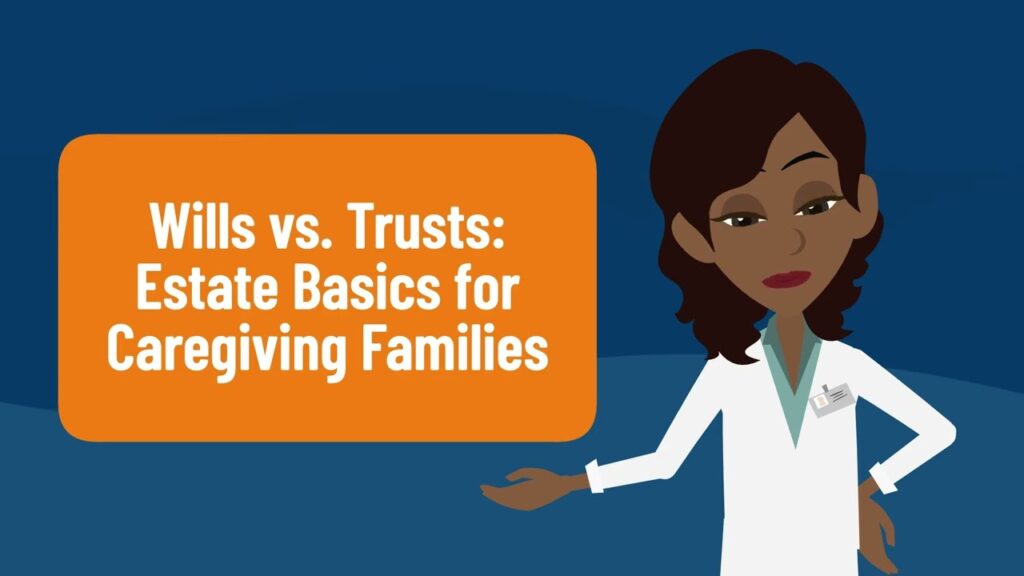
Wills vs. Trusts: Estate Basics for Caregiving Families
Everyone says ‘get a will.’ Then somebody mentions a trust — and suddenly the whole family is confused.
Unlock all 60 episodes
Tell us who you are and every episode opens — including this one. Free, and nothing to buy.
What this episode covers
Everyone says ‘get a will.’ Then somebody mentions a trust — and suddenly the whole family is confused.
A will says who receives what after death, names an executor, and passes through probate — the court process that validates it, which can be slow, public, and costly depending on the estate. A revocable living trust holds assets during life and passes them at death without probate — privately, and often faster. Trusts also include incapacity planning: a successor trustee steps in to manage things if the person no longer can. The catches: trusts cost more upfront, and they only work if assets are actually retitled into them — the classic mistake is the beautifully drafted, completely empty trust. Which is right depends on assets, property in multiple states, family complexity, and privacy. And neither one replaces the caregiving documents — the power of attorney and advance directive matter while your parent is alive.
Estate documents are care documents too — incapacity planning is where wills, trusts, and caregiving collide. One consultation with an estate or elder-law attorney settles your family’s answer.
This has been Care Without Crisis Explains, presented by Vanguard Care Solutions.
For more free videos and family resources — or when you’re ready to talk about care at home — visit vanguardcaresolutions.com or call 301-327-1444.
More in this category
EP 48
What Is an Advance Directive?
EP 49
Wills vs. Trusts: Estate Basics for Caregiving Families
EP 50
When to Call an Elder Law Attorney
Sixty short answers, all in one place
Every term families hear when a parent starts needing help — explained in ninety seconds each. No jargon. Nothing to buy.
Browse the full library